Russia may exploit more cross-border drone incidents to divide Ukraine from its European allies – but the answer, Nordic leaders suggested in Tallinn, is not less support for Kyiv. Instead, the solution lies in deeper drone-defense cooperation.
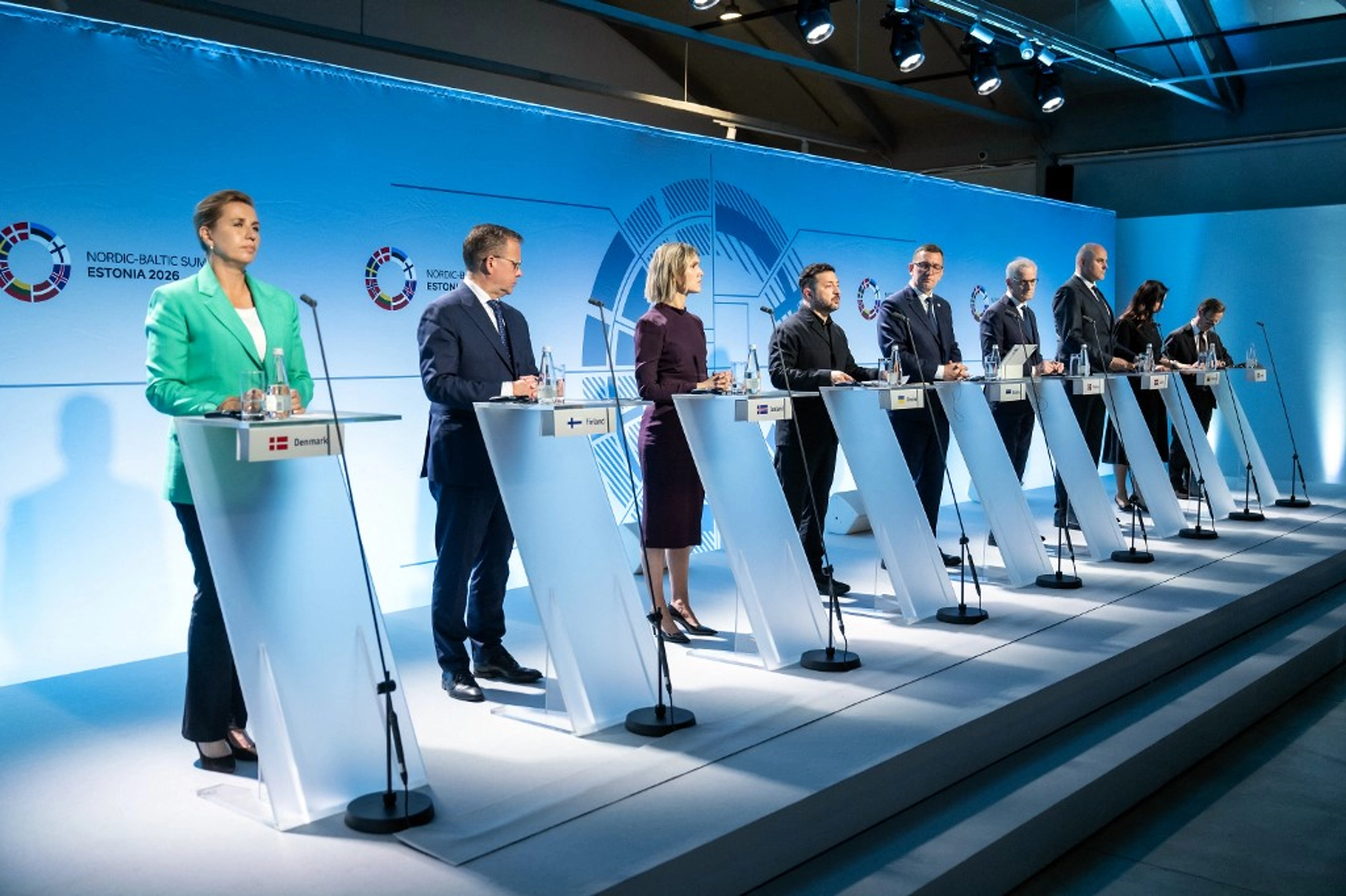
At the Ukraine–Northern Europe and Baltic States (NB8) Summit, President Volodymyr Zelensky warned that Moscow is weaponizing drone incidents near European borders to achieve what it has always wanted: turning European publics against continued support for Ukraine.
JOIN US ON TELEGRAM
Follow our coverage of the war on the @Kyivpost_official.
Responding to questions from Finnish broadcaster MTV News about recent drone incidents in Finland and the Baltic states – including a May 15 incident involving an explosive-laden drone heading toward Finland – Zelensky said Russian electronic warfare systems can alter drone flight paths.
“Of course, Russia destroys drones with air defense and other systems, but it also changes the direction of drones with different systems, including electronic warfare systems,” Zelensky said.
The danger, he argued, is not only technical but political. If drones end up near or inside allied territory, Moscow can use the incident to blame Ukraine and sow distrust among its supporters.
“They change the direction to divide us in Europe, to put pressure on Europe, Finland and our Baltic friends, and then use it as rhetoric that Ukraine attacked,” Zelensky said.
Russian Troops Forced to Walk 30 km After Ukraine Hits Logistics, Minister Says
“That is what they wanted from the very beginning: to divide us and to decrease the support in European countries for Ukraine,” he added.
Russia’s strategy of division
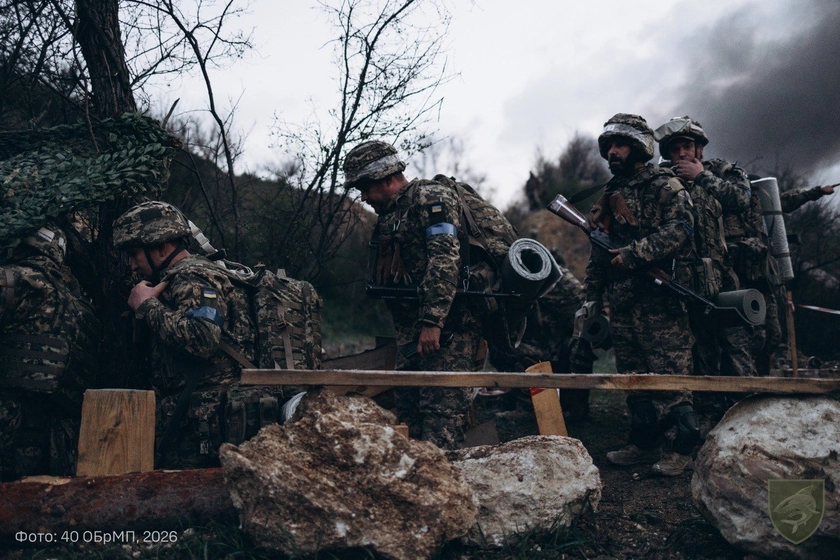
Zelensky described the scale of the daily air war, saying Russia attacks Ukraine with “650-plus drones” and “from 35 to 100 missiles,” while Ukraine currently responds with around “300, 350” drones and is working to increase that capacity with additional funding.
The logic of Ukraine’s deep strikes, he said, is deterrence: Moscow must understand that if it launches hundreds of drones and missiles at Ukraine, Russia will also feel the consequences at home.
“They will feel this war like we feel it,” Zelensky said.
To reduce the risks and improve allied defenses, Zelensky proposed expanding bilateral “drone deals” with partner countries. These agreements, he said, are not only about buying drones or joint production, but about rapidly sharing Ukraine’s battlefield experience.
“The first point is to quickly share our expertise, our people – people who really know what to do and how to defend,” Zelensky said.
“We are ready to send our expert groups to teach, to train and to defend,” he added.
Nordic allies stand firm
Instead of accepting Moscow’s framing, Finland placed the blame on Russia’s continued aggression.
Finnish Prime Minister Petteri Orpo said Russia’s daily attacks on Ukraine remain the root cause of the drone threat facing the region.
“The truth is that Russia is attacking Ukraine every day, every night,” Orpo said. “This illegal war is in its fifth year, and we understand that drones flying into our airspace have been part of Ukraine’s self-defense. Ukraine has the right to defend itself.”
Orpo added that Finland is already working with Ukraine through the drone deal mentioned by Zelensky and has taken national measures to improve its alert system and preparedness.
Moving beyond fighter jets
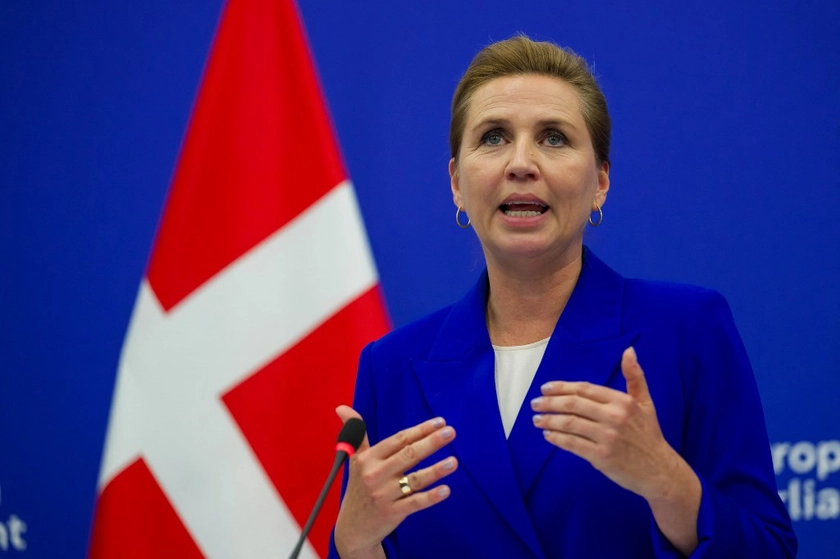
Danish Prime Minister Mette Frederiksen said the threat shows why Denmark signed a new agreement with Ukraine during the summit.
“That is exactly why we signed the agreement today with Mr. Zelensky and Ukraine,” Frederiksen said.
She said the agreement would help Denmark strengthen both detection and neutralization capabilities.
Frederiksen stressed that Europe cannot rely only on buying equipment. It needs constant cooperation with the Ukrainian forces who are adapting to Russian tactics in real time.
“It is important to note that it is not about buying the right technology,” the Danish prime minister said. “It is actually about subscribing to, or having, constant cooperation with Ukrainian forces on our ground in order to give us the latest possible best solution.”
Because Russia is also adapting quickly, she said, Ukraine’s battlefield experience is essential.
“Ukraine has the latest and best capabilities to protect the skies,” Frederiksen argued.
She also pointed to a recent incident in which Denmark shot down a drone using a fighter jet, saying it proved capability but also exposed the limits of relying on expensive conventional responses to low-cost drone threats.
“Yes, yesterday we shot down a drone with a jet fighter. That is not the most efficient way going forward,” Frederiksen said. “It is very good to show that we can, but we need to be more effective and more productive in that.”
What Europe must do
The message from Tallinn was that Europe should not allow drone incidents to become a tool for weakening support for Ukraine.
The immediate answer is practical cooperation: shared expertise, Ukrainian drone-defense teams, better detection systems, neutralization capabilities and faster adaptation to Russian electronic warfare.
President Zelensky also argued that the broader answer is pressure on Moscow. He said Europe must adopt stronger sanctions and move harder against Russia’s shadow fleet, which helps finance the Kremlin’s war machine.
Stopping the shadow fleet, he said, would help cut off funding for Russia’s military production and army.
Europe’s response to stray drones should not be panic or blame. It should be coordination – and more pressure on the state that made the skies dangerous in the first place: Russia.
You can also highlight the text and press Ctrl + Enter